Nationwide Shipping
★ The Original Ceramic Insulation Coating — Developed with NASA · Proven Since 1989

Super Therm

®

Block Solar Heat at the Surface — The NASA-Developed Ceramic Insulation Coating Trusted by Industry and Homeowners

Super Therm 1 & 5 Gallon Pails
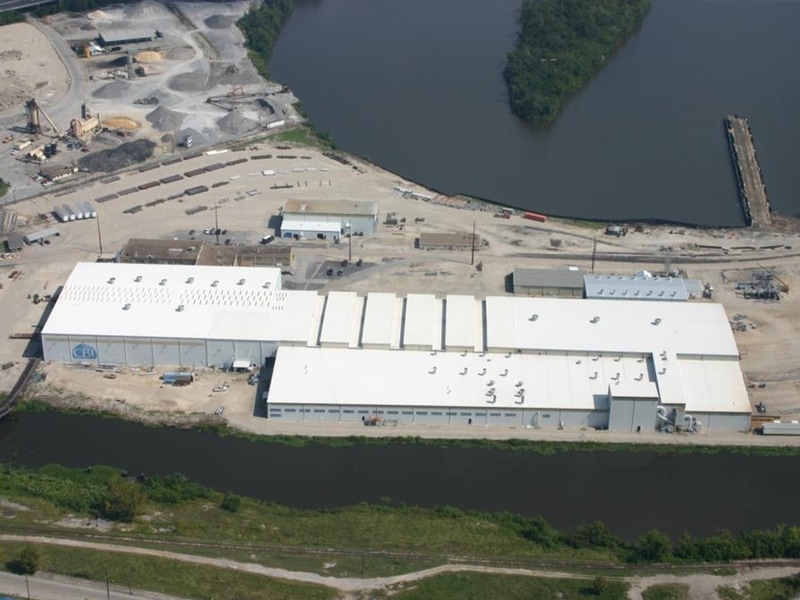
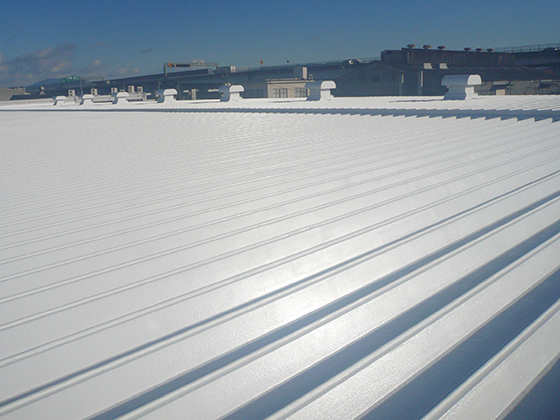
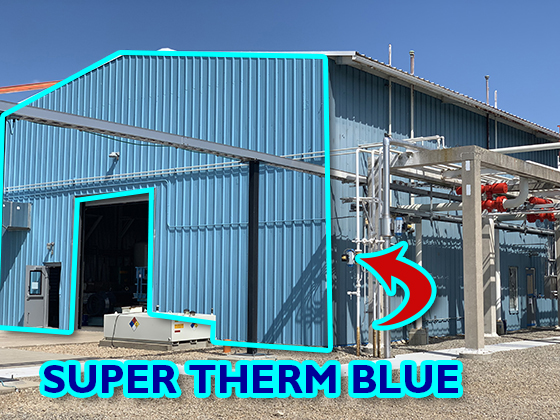
Metal Warehouse Roof — Before & After
Super Therm - Metal Roofing Before & After
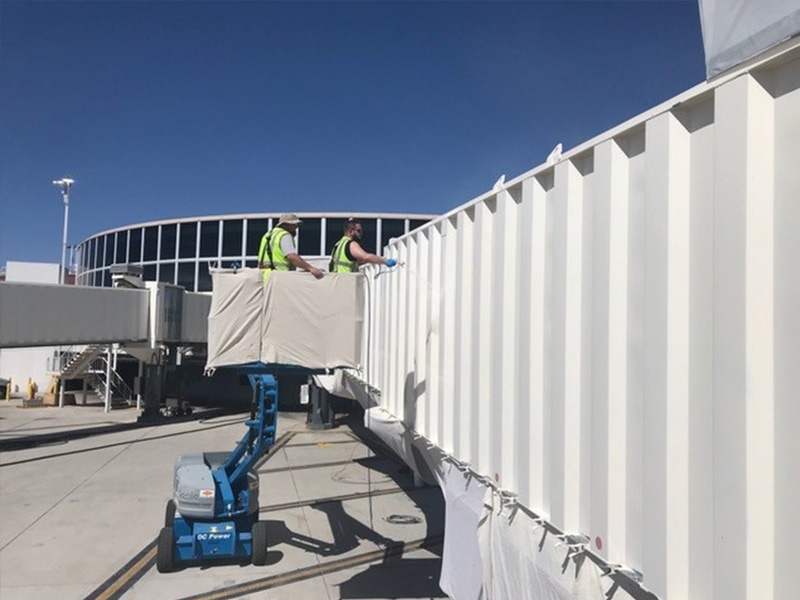
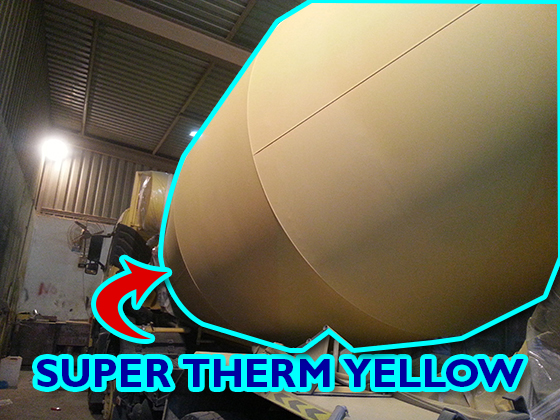
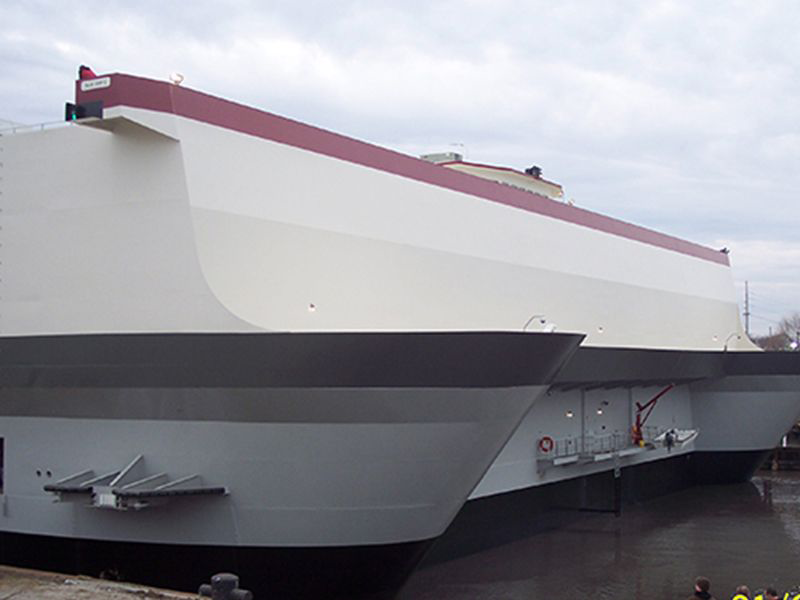
Shipping Container — ASTM C-236 / Merrimac Tested
Super Therm - Shipping Container — ASTM C-236 / Merrimac Tested
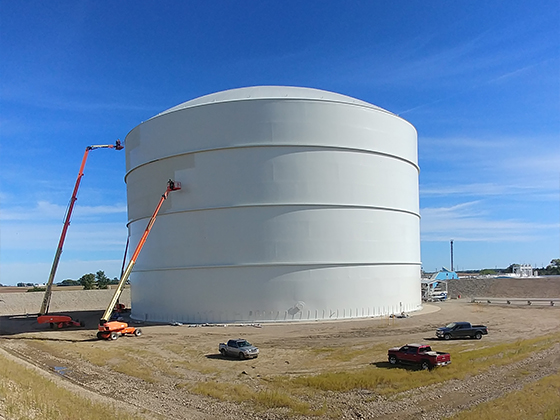
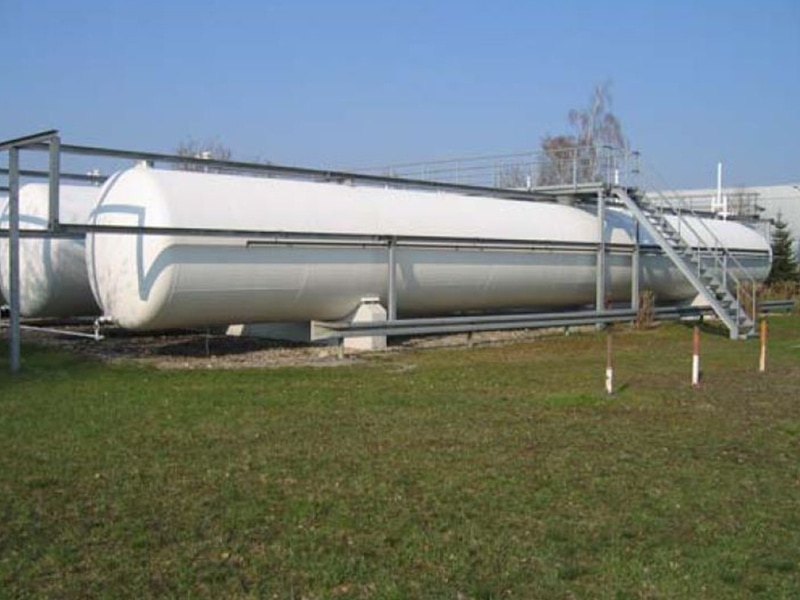
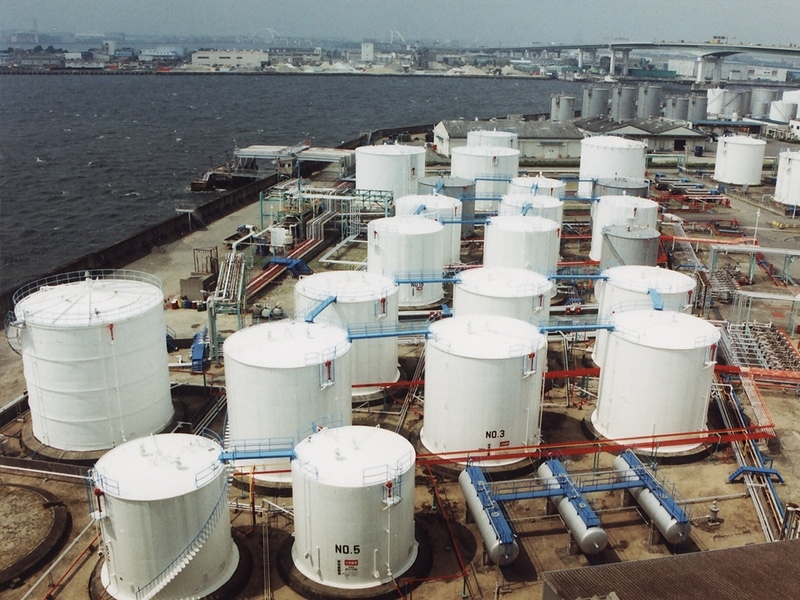
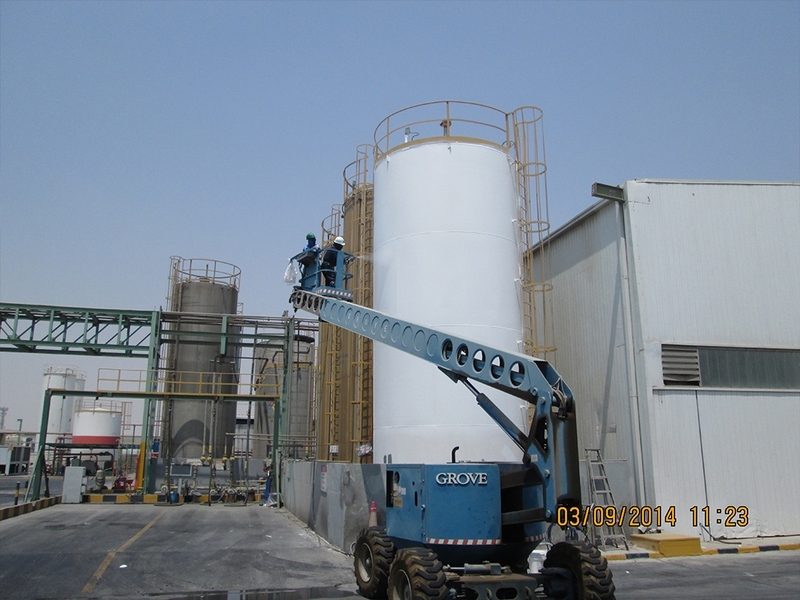
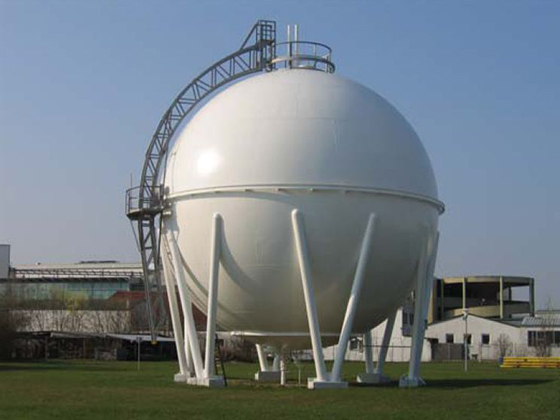
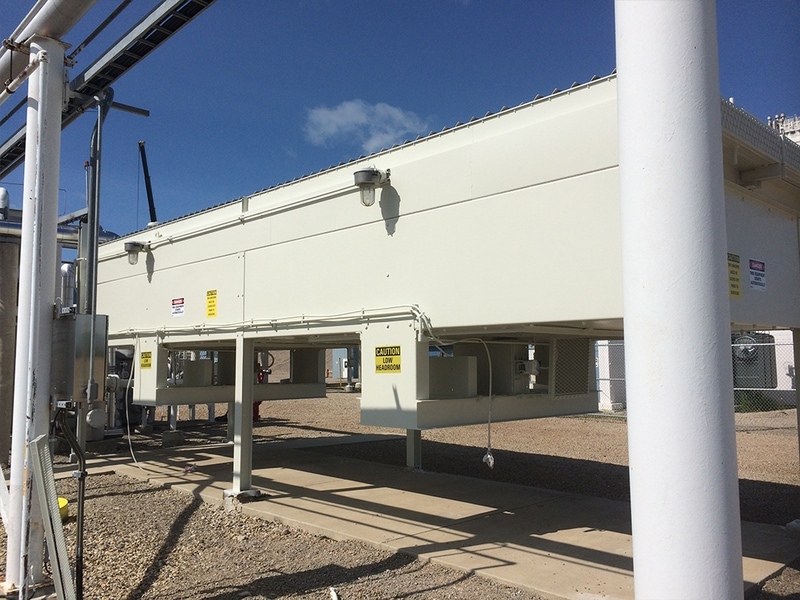
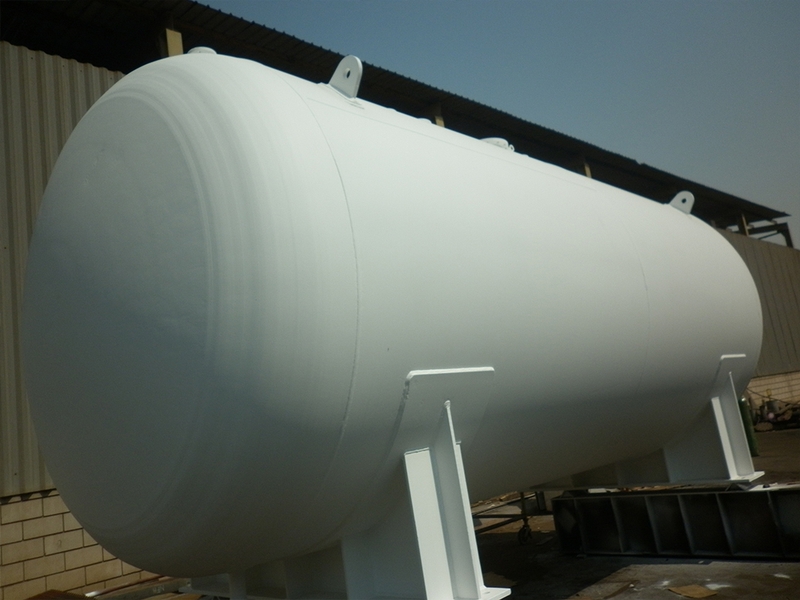
Coated Storage Tanks
Super Therm - Coated Storage Tanks
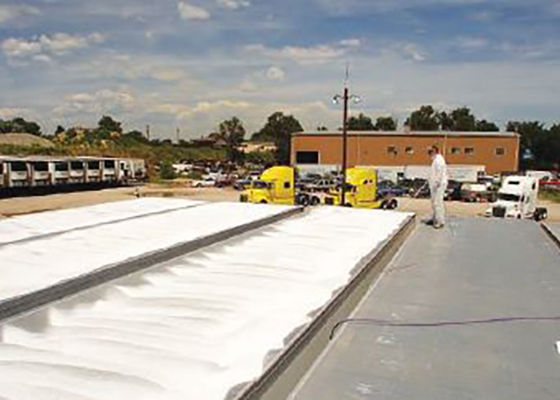
Poultry Barn Roof
Super Therm - Poultry Barn Roof
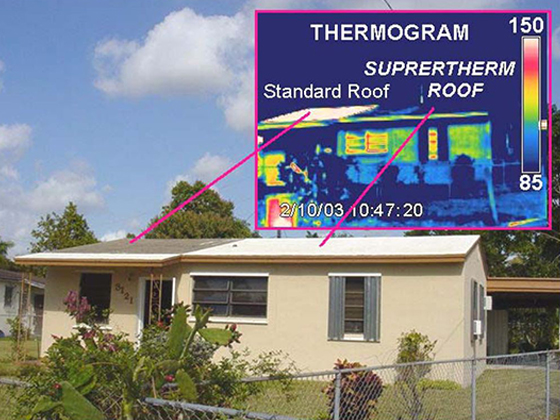
Residential Roof, Tinted Oyster White
Super Therm - Residential Roof, Tinted Oyster White
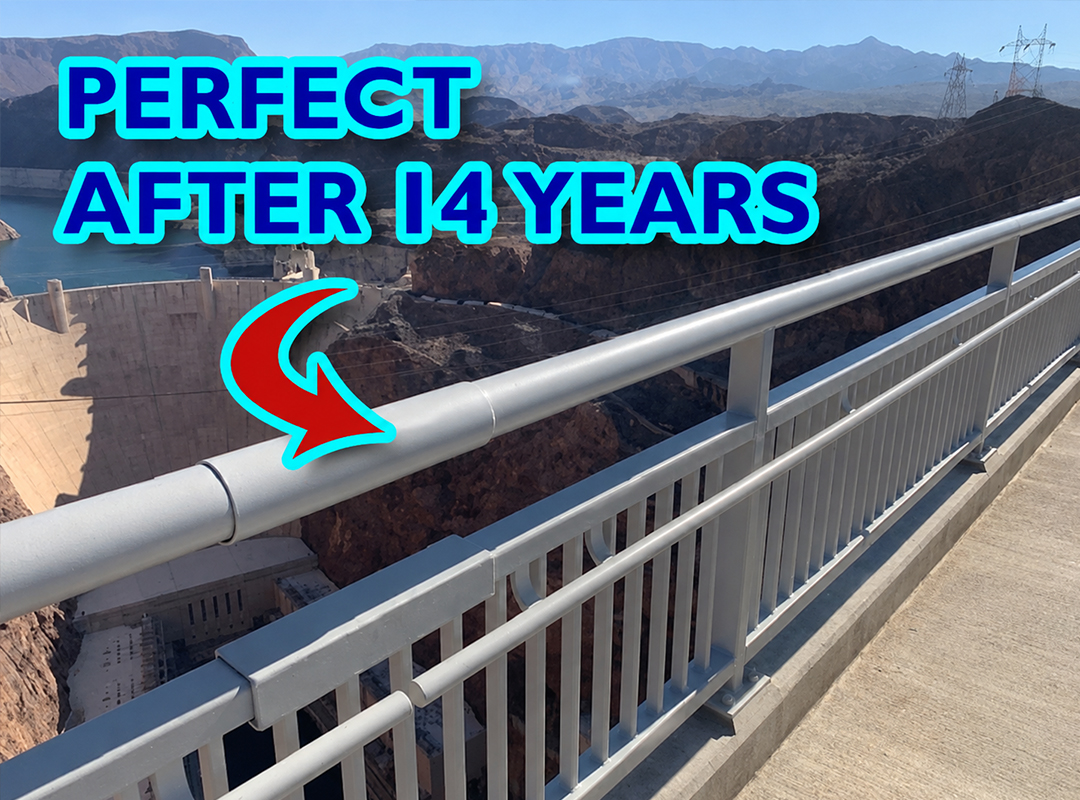
Hoover Dam Bypass Handrails
Super Therm - Hoover Dam Bypass Handrails

Super Therm® is a water-based ceramic insulation coating engineered with NASA using four ceramic compounds that block all three sources of solar heat — UV, visible light, and infrared — before the heat ever loads into your structure.... White "reflective" paints only bounce light while they stay clean; Super Therm reduces the heat load itself, in one coat, on roofs, walls, tanks, shipping containers, and equipment. Florida Energy Office testing in three climates found a 20–50% energy reduction; the original application has been in service since 1989; Class A fire rated. Made in USA. (Laboratory and field project results may vary according to climate conditions.) Read more

Available in 1 & 5 Gallon

Authorized SPI Distributor · Ships Nationwide

Super Therm for Industrial Use

Industrial

Warehouses, plants, tanks, pipelines, compressor stations

Super Therm for Commercial Use

Commercial

Offices, schools, retail roofs, data & distribution centers

Super Therm for Farm Use

Farm & Ranch

Poultry & livestock barns, storage, equipment cabs

Super Therm for Home Use

Home

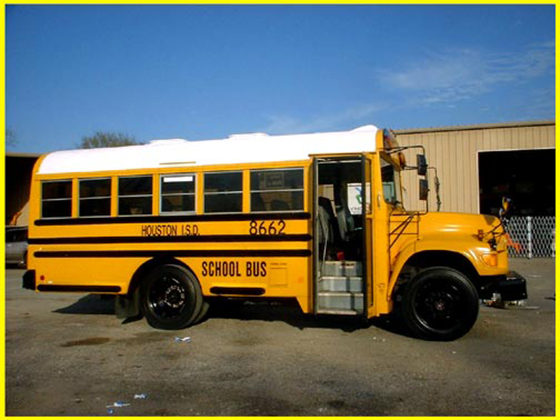
Roofs, walls, shipping-container builds, RVs & buses

How Super Therm Works

Super Therm contains four micron-sized ceramic compounds in a urethane/acrylic resin base. Two ceramics reflect UV and visible light, the third repels infrared heat, and the fourth acts as a non-conductor that blocks residual heat from loading into the surface. The industry talks about reflectivity — Super Therm blocks the heat load itself, which is why performance holds even when the surface gets dirty, and why the coating still works decades after white reflective paints have faded out.

How Does Super Therm Perform in Documented Testing?

The Florida Energy Office tested Super Therm in three climates — Miami, Florida (2003, ECAP-CUL-1-99); Denver, Colorado (2004, ECAP-CUL-1-03); and LaPorte, Texas (2006, ECAP-CUL-1-03) — and found a 20–50% energy reduction.

Super Therm Florida Energy Office, Three-Climate Testing

Florida Energy Office, Three-Climate Testing

📍 FL · CO · TX

20–50% energy reduction across three independent tests under the state's Energy Conservation Assistance Program; the Denver side-by-side structures took 30% less energy to heat or cool with Super Therm than with standard latex paint.

✓ SPI-PUBLISHED
Super Therm Dade County Residential Roof (FEO)

Dade County Residential Roof (FEO)

📍 Florida

Tested as an Energy Conservation Measure with a simple payback of approximately 2.2 years on that project — cited by the FEO as fundable under energy-grant programs.

✓ SPI-PUBLISHED
Super Therm Sony Engineering Group

Sony Engineering Group

📍 Japan

Building testing by Sony's engineering group documented a 78% reduction in KW usage.

✓ SPI-PUBLISHED
Super Therm Heat Load Bench Test

Heat Load Bench Test

367.20 → 4 BTU

Heat transfer into the substrate measured dropping from 367.20 BTU to 4 BTU — the load-blocking number reflective-only paints can't show.

✓ SPI-PUBLISHED
Super Therm Roof-Only Food-Service Facilities

Roof-Only Food-Service Facilities

📍 USA

Facilities with only the roof coated, grills in constant operation, documented a 25% energy reduction.

✓ SPI-PUBLISHED
Super Therm Shipping Containers

Shipping Containers

ASTM C-236 Hot Box and Merrimac container testing document Super Therm's heat-block performance on steel container structures.

✓ SPI-PUBLISHED

Laboratory and field project results as stated here may vary according to different climate conditions.

How Effective Is Super Therm? Technical Performance Data

Super Therm is engineered to outperform white reflective paints and to do a job bulk insulation cannot: block solar heat at the surface, before it loads. Below are the specifications and third-party testing behind this page.

1. Total Solar Heat Block

SRI 105

Solar Reflectance Index of 105 with solar absorption of just 0.039 and emissivity of 0.91 — reflects, repels, and re-emits solar heat instead of loading it.

2. Heat Load Reduction

367 → 4 BTU

Independent lab testing measured heat transfer through a coated panel dropping from 367 BTU to under 4 BTU — the number reflective-only paints can't show.

3. Proven Longevity

Since 1989

The original application has performed continuously since 1989 — SPI documents service life up to 35 years and beyond. Hoover Dam Bypass handrails re-inspected in like-new condition after nearly 15 years.

4. Class A Fire Rating

Zero Flame Spread

Class A / zero flame spread, zero smoke — verified by NASA flammability testing, FM Approvals (ASTM E108), and ABS fire-resistive rating.

5. Acoustic Damping

Loss Factor 0.224

ASTM E756 vibration-damping testing (VTEC Labs, 2026) measured a material loss factor of 0.134–0.224 — effective damping across every mode tested.

6. Safe & Certified

USDA Approved

Non-toxic, zero off-gassing (NASA's highest class), USDA-accepted for use around food and potable water. Energy Star and CRRC rated.

Does Super Therm Reduce Noise? Verified Acoustic Performance

Yes. Independent laboratory testing confirms Super Therm works as an acoustic damping coating as well as a thermal one. Sound and heat travel as wave energy, and the same ceramic film that blocks heat load also damps the vibration that turns metal panels into loudspeakers. Super Therm addresses noise through two mechanisms: it damps the source and it blocks the path.

ASTM E756 · VTEC Laboratories, 2026

Structure-Borne Vibration Damping — Damp the Source

Loss Factor 0.134 – 0.224

ASTM E756 is the industry-standard method for measuring how well a material converts panel vibration into harmless trace heat instead of radiated noise. Across all seven resonant modes tested, Super Therm measured a material loss factor of 0.134 to 0.224 — anything above roughly 0.1 is considered effective damping, and performance strengthened at higher frequencies. In practice: less rain drumming on metal roofs, quieter equipment enclosures, and steel that stops ringing.

ASTM E90 / E413 · Independent Laboratory

Airborne Transmission Loss — Block the Path

Barrier-Rated

Independent testing documents Super Therm's contribution to airborne sound transmission loss through coated wall assemblies. Full Sound Transmission Class (STC) documentation is available for project submittals and product-acceptance review.

Download STC documentation →

Metal roofs & buildings

Cuts rain drumming and panel ring on warehouses, barns, and container homes.

HVAC & machinery

Damps compressor skids, aerial cooler housings, ducting, and machine guards at the source.

Homes near traffic

Exterior walls coated to dampen main-road noise; common walls coated to cut room-to-room transfer.

Marine & transport

Engine-room crowns coated to reduce heat and sound transfer to living quarters.

Scope: Super Therm's documented acoustic benefits are structure-borne vibration damping (ASTM E756) and airborne transmission loss through coated assemblies (ASTM E90/E413). It is one component of a complete acoustic design — not a room echo/reverberation treatment.

Super Therm in the Field

Click thumbnails to view full size.
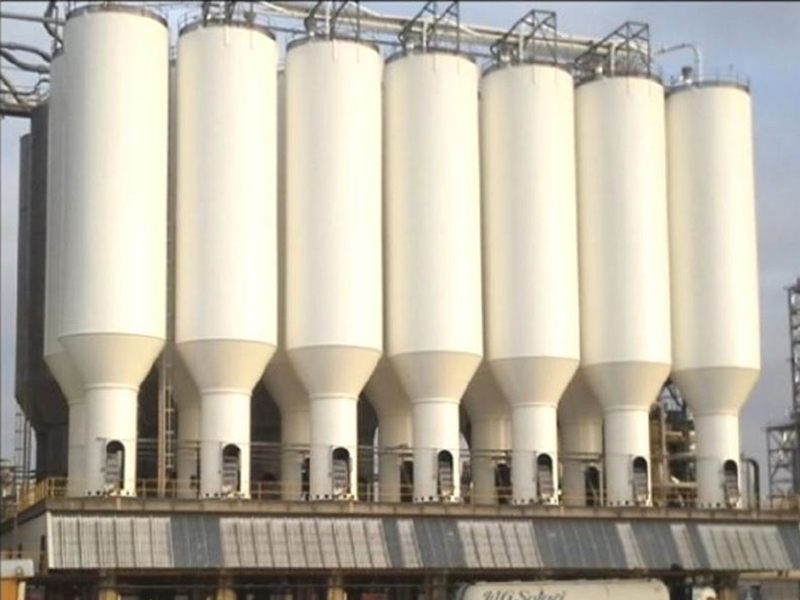
Super Therm - Project Image 22Super Therm - Project Image 2Super Therm - Project Image 3Super Therm - Project Image 4Super Therm - Project Image 5Super Therm - Project Image 6Super Therm - Project Image 7Super Therm - Project Image 8Super Therm - Project Image 9Super Therm - Project Image 10Super Therm - Project Image 11Super Therm - Project Image 12Super Therm - Project Image 13Super Therm - Project Image 14Super Therm - Project Image 15Super Therm - Project Image 16Super Therm - Project Image 18Super Therm - Project Image 19Super Therm - Project Image 20Super Therm - Project Image 21

Application: The Rules That Make or Break a Super Therm Job

Field guidance from Arin Shahmoradian, USA Distributor — based on SPI application instructions

RULE #1 — MOST IMPORTANT
The surface must be clean, dry, and sound.
Super Therm bonds and performs when applied over a clean substrate free of dirt, chalk, grease, and loose material. Pressure wash first, let it dry fully, and the ceramic film locks in for decades.
One coat does the job.
Super Therm applies in a single coat at 18 mils wet (450 microns), drying to approximately 10 mils (250 microns). With 57% volume solids, it forms a durable ceramic coating. No primer is required on most sound surfaces.
Rusted metal? Prime with Rust Grip® first.
Over rusted or corroding steel, apply Rust Grip® as the encapsulating primer, then topcoat with Super Therm — the same two-product system that earned the SSPC award on the Hoover Dam Bypass Bridge.
SURFACES
Metal, concrete, masonry, and wood. Roofs, walls, tanks, containers, ducting, equipment.
FILM BUILD
1 coat: 18 mils WFT (450 µm) → 10 mils DFT (250 µm). Add 10–20% material for corrugated profiles.
APPLICATION
Airless sprayer, roller, or brush. Surface temp 50°F min / 150°F max when applying.
CURE
Tack-free in 30–60 minutes at 70°F. Water-based — no pot life, no mixing, no hazmat.
CLEANUP
Soap and water while wet. Reseal the pail — 3-year shelf life unopened.

Why Super Therm Outperforms Reflective Paints and Bulk Insulation

Because Super Therm blocks heat load rather than merely reflecting light, its performance doesn't depend on staying bright white — and because it works at the surface, it reduces the heat that ever reaches the insulation inside your walls.

Works Even When Dirty
Reflective-only paints depend on staying clean and white; as they soil and weather, the benefit fades with the finish. Super Therm's ceramics block heat load rather than bounce light, so performance holds as the surface ages — documented across decades of field service.
One Coat, No Primer
Single-coat application at 18 mils wet on most sound surfaces. No primer required on most properly prepared surfaces.
Water-Based & Low VOC
Cleans up with soap and water, ships as standard (non-hazmat) freight, and is safe to apply in occupied facilities.
Blocks All Three Solar Heat Sources
UV, visible light, and infrared — plus a fourth non-conductive ceramic that blocks residual heat load. Reflect-only products address only part of the spectrum.
Moisture, Mold & Condensation Control
Passed 80 km/h wind-driven rain testing with an 8.8 perm rating — the film breathes air but blocks moisture, resisting mold, mildew, and condensation.
Reduces Thermal Shock
By cutting surface temperature swings, Super Therm reduces the expansion/contraction cycling that cracks roofs, fatigues welds, and ages equipment.

What Certifications and Approvals Does Super Therm Hold?

Super Therm® is made in the USA and has been validated by government agencies, class societies, and independent laboratories worldwide.

NASA
Developed with NASA (Marshall Space Flight Center collaboration; Technology Transfer program) — SPI states it is the only ceramics coating developed with NASA. Awarded NASA's highest non-toxic rating and an A flammability rating with 0/100 Flame Spread and Smoke Spread indices.
Florida Energy Office / EPA
Tested under the state ECAP program in three climates with EPA-acknowledged energy-conservation results; FEO documented 20–50% energy reduction. (Results vary by climate and project.)
FM / DNV / SOLAS
Factory Mutual approved for roofing applications; DNV approved under the SOLAS 1974 Convention as amended.
JISC / CSSC
Japanese Industrial Standards tested and verified (JIS A5759); approved by China's CSSC ship-building materials testing center.
ASHRAE / CRRC
Meets ASHRAE 90.1 code-compliance standards; passed the California Cool Roof engineering research program with highest marks; USDA accepted for regulated facilities.
★ INDUSTRY RECOGNITION

SSPC Award: Hoover Dam Bypass Bridge

The Rust Grip® + Super Therm® + Enamo Grip® system received the E. Crone Knoy Award for Innovation. Super Therm was applied to the pedestrian handrails so visitors can safely touch steel in 110°F+ desert sun — and since the bridge opened in 2010 — more than 15 years — the coating remains in perfect condition.

Photo set: award ceremony + 11-year re-inspection.
Super Therm - Hoover Dam Bypass Bridge

Purchase Super Therm. Nationwide Shipping.

Ship Super Therm anywhere in the United States. Talk to Arin Shahmoradian directly for project specs, spread-rate calculations, tinting, and technical questions. Monday–Saturday. Authorized SPI Distributor — Volta Coatings.

  • By submitting, you agree to our Terms of Service and Privacy Policy

    Both checkboxes optional — the form submits either way.

Thank you! Your submission has been received!
Oops! Something went wrong while submitting the form.

Super Therm vs. White Reflective Paint vs. Traditional Insulation

Three very different approaches to heat. Only one works at the surface, keeps working when dirty, and has been in service since 1989.

Attribute Super Therm® ★ White Reflective / Elastomeric Bulk Insulation (fiberglass / foam)
How it works Blocks & reduces solar heat load at the surface (UV + visible + IR + conduction) Reflects light only — while clean and white Slows conduction after heat has already loaded the structure
Performance when dirty Maintained — documented across decades of field service Benefit fades as the surface soils and weathers N/A (degrades when wet)
Application 1 coat, spray/roll/brush, occupied facilities OK 2+ coats, frequent recoat cycles Demolition, cavity access, install labor
Where it goes Exterior or interior: roofs, walls, tanks, containers, ducting, equipment Roofs primarily Wall/ceiling cavities only
Fire Class A, zero flame spread, zero smoke (NASA / FM / ABS) Varies by product Varies — some products combustible
Moisture & mold Water barrier, 8.8 perm, mold/mildew resistant Can trap moisture Absorbs moisture; mold risk
Sound ASTM E756 damping documented (loss factor to 0.224) None documented Varies
Documented service life In service since 1989; SPI documents up to 35 years and beyond. 5–10 years typical recoat Degrades when wet or compressed
"For buildings and equipment where the real problem is solar heat load — not just winter conduction — Super Therm blocks the heat before it enters, keeps performing when reflective paints fade, and reaches surfaces bulk insulation never can: tanks, containers, ducting, and equipment in service."

What Are the Technical Specifications for Super Therm?

Super Therm® is a water-based ceramic insulation coating containing four micron-sized ceramic compounds in a urethane/acrylic resin blend. Two ceramics reflect UV and visible light, the third repels infrared heat, and the fourth blocks conductive heat load. The resin base combines aliphatic urethanes for toughness, elastomeric acrylics for flexibility (bends 180° without cracking), and a moisture/UV barrier — finished in a silky-matt eggshell white that can be tinted to light colors.

Vehicle type
Urethane / acrylic blend, water-based
Solids
66% by weight / 57% by volume (±6%)
VOC level
21 grams per liter
Viscosity
105–110 KU
Color / texture
Eggshell white, silky matt · tintable to light colors
Solar Reflectance Index (SRI)
105
Emissivity / solar absorption
0.91 / 0.039
Perm rating
8.8 (breathes air, blocks moisture)
Min. surface temp (applying)
50°F (10°C)
Max. surface temp (applying)
150°F (65°C)
Max. surface temp (after cure)
300°F (149°C)
Dry time (70°F)
30–60 minutes to tack-free
Shelf life
3 years unopened

Apply to metal, concrete, masonry, and wood by airless sprayer, brush, or roller. Single coat at 18 mils WFT drying to approximately 10 mils DFT (450 µm → 250 µm). Spread rate per SPI TDS: 91 sq ft per gallon. Allow approximately 10% additional material for waste and 10–20% more for corrugated or profiled surfaces.

Cut Your Cooling Costs This Season.

Ship Super Therm anywhere in the United States. Talk to Arin Shahmoradian directly for project specs, spread-rate calculations, and technical questions.

Ready to Move Forward?

Four ways to engage with Super Therm. Pick the one that fits your project.

Letters of Recommendation

Letters reflect individual projects; the Florida Energy Office's three-climate testing (20–50% energy reduction) is the documented general range, and results vary by climate and project.

Mubarak Marine — Dubai, UAE · Engine room crown, heat + sound

"We also coated the roof of the engine room with Super Therm to reduce heat and sound transfer to the upper living quarters… Super Therm ha[s] done exactly what you promised, and continue[s] to perform under extreme marine environments."

Vela International Marine (Andrzej Katkowski) — Dubai, UAE · Deck temperature readings

IR-thermometer comparison on deck: standard red paint 133.5°F · standard white 112.3°F · Super Therm 107.6°F, with cabin-side surfaces at 82.9°F — "significant temp. difference in the cabins."

Lark Group (Kirk E. Fisher, P.Eng) — Canada · Twin-sheet ice arena

$30,000 of conventional insulation added after Super Therm changed the hydro and gas bills "not at all" — Super Therm alone was already doing the job. Specified for all future arenas.

U.S. Air Force (Kevin T. Geiss) — Renewable Energy Symposium, Tucson

"Your presentation on Innovative Use of Ceramic Coatings to Alter the Approach to Building Heat Gain was very informative and valuable to our efforts."

Super Therm Spread Rate Calculator

Estimate the amount of Super Therm needed based on your surface area and number of coats.

Surface area (ft²)
Number of coats
Surface type
Enter your surface area, select the number of coats and surface type to see the estimated gallons needed.
Based on the SPI Technical Data Sheet (TDS), at 91 ft² per gallon per coat (18 mils wet). Includes 10% waste and an additional 10–20% adjustment for corrugated or profiled surfaces. Apply each coat separately, maintaining the recommended film thickness. Actual coverage may vary. Confirm requirements with the Super Therm technical team before ordering.

Frequently Asked Questions About Super Therm

Direct answers first — details after. Can't find yours? Call +1 818-696-3786.

Buying & Cost

Where can I buy Super Therm in the USA?

Super Therm® is sold directly by Volta Coatings, the official USA distributor for SPI Coatings, in 1-gallon cans and 5-gallon pails, shipped nationwide by standard ground freight. Order through the purchase form on this page.

How much Super Therm do I need?

91 ft² per gallon, in a single coat at 18 mils wet (450 microns) drying to 10 mils (250 microns) — that is the SPI TDS figure, at 57% solids by volume. Add about 10% for waste and 10–20% more on corrugated or profiled metal, which has more surface area than its footprint. The calculator on this page includes those factors. Never apply thinner than 18 mils wet / 9.5 mils dry, and never thicker than 18 mils wet per pass.

Does Super Therm ship as hazmat?

No. Super Therm is water-based (VOC 67 g/L) and is not regulated for transport, so it ships as ordinary ground freight with no hazardous-material surcharge — unlike solvent-based coatings. Cost depends only on quantity, destination and speed. Keep it from freezing in transit and storage, and store below 95°F so it does not dry out in the pail.

Is Super Therm worth the price compared with a regular white roof coating?

Usually, because it keeps working after a white paint has stopped. Independent CRRC testing (ASTM C1549/C1371) measured Super Therm at 0.83 solar reflectance and 0.90 emittance new; after three years on outdoor weathering farms the reflectance averaged 0.74 (0.78 in a hot-dry climate) and the emittance rose to 0.92. A Japanese re-test of the same coating on steel after 15 years outdoors found only an 8.1% loss in reflectance. Most reflective roof paints lose a quarter or more of their reflectance in the first few years. The Denver field test by the Florida Energy Office’s ECAP program compared Super Therm against fresh white paint on identical buildings and still measured 26–30% less energy use.
Will it work for my situation?

Will Super Therm make my metal roof house cooler?

Yes — the roof surface and the attic under it. Super Therm reflects 83% of incoming solar energy (CRRC, ASTM C1549) and radiates away most of what it does absorb (0.90 emittance), so a coated metal roof typically reads about 40–50°F cooler than an uncoated one in full sun; in a Florida Energy Office survey the inside face of a coated roof dropped from 145°F to 118°F and the roof heat load fell 20–30%. The surface still sits a little above air temperature — it is a radiant barrier, not refrigeration. Results vary with climate, orientation and roof construction.

Can Super Therm cool a warehouse or metal building without adding insulation?

Yes, and the published cases are metal buildings. At Ingersoll Rand’s Monterrey plant, Trane’s own thermography showed the coated roof at 80°F beside an uncoated section at 122°F, a 49% reduction in heat load across 345,000 ft². The Florida Energy Office’s three-climate field program measured 20–30% lower roof loads (Florida), 26–30% lower energy use versus fresh white paint (Denver) and 46–52% less cooling energy on steel containers (Texas). Super Therm goes on the outside, in one coat, with no shutdown and no change to the building. Every site is different; ask for the field reports and a payback estimate for your square footage.

Does Super Therm work on shipping containers, barns and livestock buildings?

Yes. The Texas ECAP field test was on steel shipping containers: the coated container needed 46–52% less cooling energy than an identical uncoated one, and interior humidity dropped as well. For barns and livestock buildings, Super Therm is USDA-accepted for use in food plants, dairies and animal housing, is water-based and has passed NASA toxic-offgassing testing, so it can be applied with animals and people in the building. One coat on the roof is the usual scope; walls facing the afternoon sun are the next most valuable.

Does Super Therm work in winter and cold climates?

Yes, the same surface that turns solar heat away in summer also slows radiant heat loss from the building in winter. The Denver field test (ECAP program, Colorado) measured 26% less heating-and-cooling energy on a Super Therm-coated building than on an identical building with fresh white paint. The largest documented savings are still cooling loads in hot, sunny climates, so if your bill is mostly heating, ask us before you buy — honesty here saves you money.

Will Super Therm stop my shed or container from sweating inside?

Often, yes, when the condensation is driven by sun-heated metal and night cooling. Super Therm on the exterior reduces the day-night temperature swing of the metal, and the Texas container test recorded a clear drop in interior humidity. The film is also a water barrier that still breathes — about 8 perms at 10 mils (ASTM E96, SwRI 2015) and a pass on ASTM D6904 wind-driven rain with no dampness on the back of the panel. For indoor cold ducts and chilled lines that sweat from the inside, a thicker SPI insulation coating (HSC) is the right product — tell us whether the surface is indoors or outdoors.

Can Super Therm be tinted or does it have to be white?

It can be tinted to light colors from SPI’s tinting chart. Standard Super Therm is eggshell white with a silky-matt finish. Keep tints light: the heat-blocking performance comes from reflecting solar energy, and darker colors absorb more of it. For a dark finish color with Super Therm underneath, talk to us about the system before ordering.

What surfaces can Super Therm be applied to?

Metal, concrete, masonry and wood — roofs, walls, tanks, containers, ducts, equipment and vehicles, indoors or out. Apply over clean, sound surfaces between 50°F (10°C) and 150°F (65°C). Over rusted or corroding steel, prime first with Rust Grip®, then apply Super Therm — the same Rust Grip / Super Therm / Enamo Grip stack used on the Hoover Dam Bypass Bridge and on an LNG tank in Iowa that has been in continuous cryogenic service since 2018 without touch-ups.
How to apply

How many coats of Super Therm do I need?

One coat, applied at 18 mils wet to dry to 10 mils. That single pass is the full system on clean, sound metal, concrete or wood — no primer, no topcoat. Spray, brush or roll; do not exceed 18 mils wet per pass, and if a second pass is needed to reach thickness, let the first dry down before adding it. Tack-free in 30–60 minutes at 70°F; dry to touch in about 2 hours; full cure 21 days.

Can I apply Super Therm myself?

Yes. It is a water-based, one-part coating that rolls or sprays like a heavy latex paint and cleans up with water, so a homeowner or facility crew can apply it. The three things that matter: a clean, dry surface; a full 18 mils wet in one pass (use a wet-film gauge — the coating looks thick going on); and a dry, sunny application window with no rain forecast for the day. Keep the surface and air above 50°F.

Does Super Therm need a primer or a topcoat?

On sound surfaces, neither. Prime with Rust Grip® where steel is rusting; prime porous or asphalt roofs with SP Liquid Membrane. A topcoat is optional and used for color or extra wear — Enamo Grip® over Super Therm is a common finish on handrails, decks and tank exteriors.
Proof & safety

What is the R-value of Super Therm?

Super Therm is not rated by R-value, because R-value measures resistance to conducted heat through bulk material and Super Therm works by stopping radiant solar heat at the surface before it is conducted anywhere. The relevant measurements are solar reflectance (0.83, CRRC ASTM C1549; 92.2% on steel by JIS A 5759; 94–96% light reflection measured by the Russian Academy of Sciences, above a polished aluminum mirror at 90.4%) and thermal emittance (0.90–0.92). In a thermophysical analysis of heat through a coated steel plate (TPRL, ASTM E1461/E1269), the heat load passing the surface fell from 362.6 to 3.94 BTU. In a VTEC guarded hot box (ASTM C236) — no sun involved — 10 mils of Super Therm on one face of a 3-inch fiberglass panel cut heat flow 40%, and on both faces 60%. Do not compare it to batt insulation by R-value; compare it by measured heat load.

How can a coating 10 mils thick insulate?

Because its job is to keep heat out of the surface, not to slow heat that is already inside. The ceramic compounds in Super Therm reflect visible and near-infrared sunlight (0.83 solar reflectance, measured across 300–2,500 nm by ASTM C1549) and the film re-radiates absorbed heat to the sky (0.90 emittance), so the metal underneath never loads up. The film itself has low conductivity and very low diffusivity (TPRL 1997: diffusivity about 0.003 cm²/s versus 0.14 for the steel plate), which is why the surface sheds heat outward instead of passing it in. Thick insulation fights conduction; Super Therm removes the load.

How long does Super Therm last?

Super Therm has been in service for more than 30 years. The Hoover Dam Bypass Bridge handrails have been coated since the bridge opened in 2010 — more than 15 years and still read at air temperature in desert sun — the system won SSPC’s E. Crone Knoy award. The Japan Testing Center re-measured the coating on steel after 15 years outdoors and found only an 8.1% loss in solar reflectance, and the CRRC three-year weathering results show emittance actually rising with age. Service life depends on substrate, prep and climate; ask for a project-specific expectation.

Is Super Therm fire rated?

Yes — Class A with zero flame spread and zero smoke. Super Therm passed NASA flammability testing in the agency’s highest class, FM Approvals testing per ASTM E108, and holds an ABS fire-resistive rating for marine service. It will not contribute to flame spread.

Does Super Therm reduce noise?

Yes, in two measured ways. ASTM E756 testing (VTEC Laboratories, 2026) measured a material loss factor of 0.134–0.224 across all seven resonant modes tested, which is effective structure-borne damping — it quiets rain drumming on metal roofs, equipment enclosures and steel panels. ASTM E90/E413 testing on a gypsum wall assembly measured STC 38 with one face coated, 39 with the exterior faces coated and 41 with both sides coated. Full reports are available for project submittals.

Is Super Therm safe around people, animals and food?

Yes. Super Therm is water-based and non-toxic, rated in NASA’s highest flammability class, and passed NASA’s toxic-offgassing test (NHB 8060.1C Test 7). It is USDA-accepted for food factories, dairies and livestock buildings and can be applied in occupied facilities with normal ventilation. It contains no lead, chromate or asbestos.

Need a quantity, a shipped total, or a yes/no on your surface?

Send photos and square footage through the form, or call Volta Coatings at +1 818-696-3786 (Mon–Fri).

Trusted by Industry Leaders Worldwide

Linde
Chevron
Georgia-Pacific
SpaceX
Petrobras
Engie
US Army
HESS
Vela
Halliburton
Covanta Energy
OXY
ADNOC
Berkshire Hathaway Energy
Nakilat
Milaha
Drydocks World
PEMEX
SASOL
Saipem
Volta Coatings

Official USA distributor of SPI Coatings — Rust Grip®, Super Therm®, Enamo Grip®, HPC® Coating. Nationwide shipping.

Made in USA
Made in USA
Products
Contact Us
Certifications
  • Masdar
  • UL
  • FM Approved
  • Cradle to Cradle
  • DNV
  • USDA